
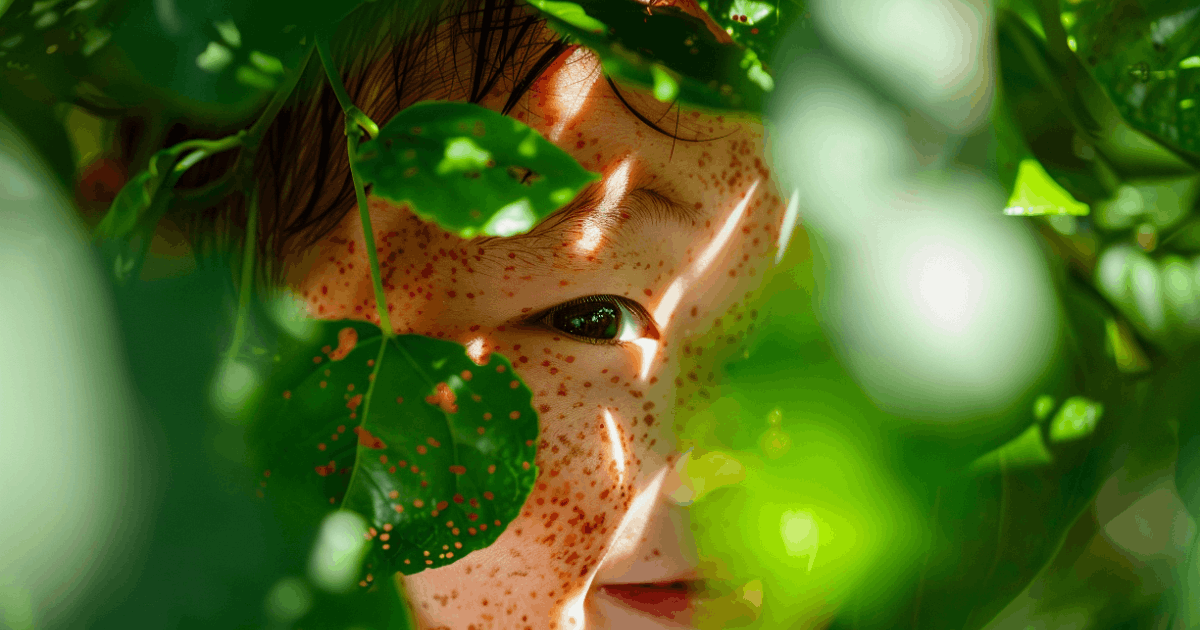
Naturalistic Intelligence
Naturalistic intelligence describes the capacity to recognize, classify, and interact with flora, fauna, and features of the environment. Howard Gardner added this domain to the multiple intelligences framework in 1995 at Harvard’s Project Zero. The faculty governs species identification, ecological pattern recognition, and taxonomic reasoning across biology, agriculture, conservation, and environmental science.
2026 Quick Insight: Naturalistic Intelligence Essentials
- Definition: Cognitive capacity to identify, classify, and relate to organisms, ecosystems, and natural phenomena with precision.
- Core Metric: Species identification, taxonomic categorization, ecological pattern recognition, and environmental anomaly detection.
- Primary Brain Region: Left parietal lobe, inferior temporal cortex, fusiform gyrus, and limbic system structures.
- Career High-Correlation: Biologists, conservationists, farmers, veterinarians, meteorologists, and environmental scientists.
- 2026 Development: Trained through field observation, iNaturalist-style AI apps, citizen science, and taxonomic databases.
Naturalistic intelligence was formally added to the Multiple Intelligences framework in 1995, twelve years after Gardner’s original 1983 publication of Frames of Mind. The addition followed empirical work demonstrating that the cognitive skills required to distinguish between species, read ecological signals, and understand biological relationships could not be reduced to logical-mathematical or visual-spatial reasoning alone. The neural signature involves the left parietal lobe for categorical processing, the fusiform gyrus for living-thing recognition, and hippocampal systems for environmental spatial memory.
Individuals with elevated naturalistic intelligence demonstrate measurable advantages in species discrimination, weather prediction, animal behavior interpretation, and ecosystem-level reasoning. Readers can establish a baseline profile using a structured Naturalist Intelligence Test before exploring the developmental and evolutionary context below.
Expert Insight “The naturalist intelligence refers to the ability to identify and classify patterns in nature. During prehistoric times, hunter-gatherers relied on naturalist intelligence to identify what flora and fauna were edible. Today, it remains central to roles such as botanist or chef.” — Howard Gardner, Intelligence Reframed: Multiple Intelligences for the 21st Century (1999), Project Zero, Harvard University
Developmental Origins
Naturalistic cognition emerges along a documented developmental arc supported by research from Project Zero, the Cornell Lab of Ornithology’s citizen science division, and child development studies at Vanderbilt University. The trajectory follows these neurodevelopmental milestones:
- 0–2 years: Preferential attention to biological motion; infants distinguish animate from inanimate objects within the first 9 months.
- 2–7 years: Category formation for animals and plants; early taxonomic distinctions (dog vs. cat, tree vs. flower).
- 7–11 years: Hierarchical classification matures — mammal/reptile, deciduous/coniferous; pattern detection across ecosystems.
- 11+ years: Abstract taxonomic reasoning, phylogenetic relationships, and ecological systems thinking.
Twin studies and cross-cultural research published in Cognition and Child Development indicate that naturalistic intelligence has a heritability coefficient between 0.40 and 0.60, modulated heavily by exposure to natural environments during critical developmental windows. Activities correlated with accelerated development include outdoor unstructured play, animal care, gardening, bird-watching, nature journaling, and systematic collection of biological specimens.
The interaction between naturalistic intelligence and other Gardnerian domains is documented in the complete taxonomy of Howard Gardner’s 8 intelligence types, where it sits adjacent to logical-mathematical and visual-spatial reasoning without being reducible to either.
The Evolutionary Necessity of Environmental Observation
Naturalistic intelligence predates every other documented cognitive faculty in evolutionary terms. The capacity to distinguish edible from toxic plants, recognize predator tracks, read weather fronts, and follow animal migration patterns constituted a non-negotiable survival requirement across Homo sapiens’ 300,000-year history. Evolutionary psychologists categorize the selection pressures into four primary domains:
- Nutritional Discrimination — Identifying edible flora, fungi, and prey species while avoiding toxic or diseased specimens.
- Predator Avoidance — Recognizing tracks, calls, scents, and behavioral signatures of threats.
- Climatic Prediction — Reading cloud formations, wind shifts, animal behavior, and seasonal cues to anticipate weather.
- Resource Mapping — Memorizing the location, seasonal availability, and replenishment cycles of water sources, fruit trees, and hunting grounds.
The cross-cultural anthropological record confirms the universality of this faculty. The Tzeltal Maya of southern Mexico maintain folk-taxonomies containing over 1,200 named plant species. The Kalahari San track animals across shifting desert substrates using micro-signs invisible to untrained observers. These populations demonstrate that naturalistic intelligence, when actively cultivated, reaches levels rarely observed in industrialized societies.
Clinical Characteristics
Clinical and educational profiles of naturalistic intelligence show consistent patterns in neuropsychological literature and field assessment data.
| Domain | High Naturalistic Profile | Lower Naturalistic Profile |
|---|---|---|
| Species Recognition | Identifies 100+ species by sight, sound, or trace | Distinguishes only common domesticated species |
| Pattern Detection | Notices ecological anomalies rapidly (invasive species, disease) | Requires explicit pointing out of environmental changes |
| Weather Reading | Predicts short-term weather from cloud, wind, animal cues | Relies entirely on forecast data |
| Memory Encoding | Organizes knowledge taxonomically and hierarchically | Organizes knowledge narratively or functionally |
| Sensory Acuity | Heightened attention to natural textures, smells, sounds | Attention oriented to built environment and social cues |
| Co-occurring Traits | Strong long-term memory for location; observational patience | Preference for urban, symbolic, or digital environments |
Detailed Classification of Species Identification Skills
Species identification is the most empirically measurable component of naturalistic intelligence. Field ornithology, botany, and mycology research have documented a tiered skill hierarchy:
- Tier A — Gross Discrimination: Distinguishing broad categories (mammal vs. bird, flowering plant vs. conifer). Typical of untrained adults.
- Tier B — Family-Level Recognition: Identifying to taxonomic family (hawks, oaks, salmonids). Requires 20–50 hours of structured exposure.
- Tier C — Species-Level Identification: Distinguishing closely related species using field marks, calls, and habitat context. Requires 200–500 hours of field practice.
- Tier D — Subspecies and Morphological Variation: Recognizing geographic races, seasonal plumage, and life-stage variation. The domain of professional taxonomists and expert field biologists.
- Tier E — Integrated Ecosystem Reading: Interpreting the assemblage of species present as an indicator of ecosystem health, disturbance history, or succession stage.
Expert Insight Research from Project Zero and the E.O. Wilson Biodiversity Foundation documents that children who receive a minimum of 4 hours per week of unstructured outdoor exposure between ages 6 and 12 score an average of 1.3 standard deviations higher on species-identification assessments than demographically matched peers without such exposure, independent of general IQ.
Naturalistic intelligence operates alongside — but remains distinct from — the pattern-based visual thinking styles documented in spatial cognition research. While spatial reasoning manipulates abstract geometric form, naturalistic reasoning discriminates living form embedded in context.
Professional Career Mapping
Vocational research from the U.S. Bureau of Labor Statistics, the International Union for Conservation of Nature (IUCN), and academic career tracking studies confirms that naturalistic intelligence is the dominant cognitive predictor of success in environment-focused professions. The professional landscape organizes into three tiers.
Primary Career Path Table
| Profession | Core Naturalistic Skill | Typical Environment | Required Training |
|---|---|---|---|
| Conservationist / Ecologist | Ecosystem-level assessment, biodiversity monitoring | Field stations, protected areas | M.Sc. or Ph.D. in Conservation Biology |
| Biologist (Field / Research) | Species taxonomy, behavioral observation | Laboratories, remote field sites | Ph.D. in Biology or specialized discipline |
| Farmer / Agronomist | Soil reading, crop-disease detection, livestock behavior | Agricultural land, greenhouses | Apprenticeship + Agricultural Science degree |
| Meteorologist | Atmospheric pattern recognition, climatic modeling | Weather stations, research centers | B.Sc. or M.Sc. in Atmospheric Science |
| Veterinarian | Cross-species anatomy, pathology recognition | Clinics, wildlife rehabilitation centers | Doctor of Veterinary Medicine (DVM) |
| Marine Biologist | Aquatic species identification, reef ecology | Coastal research stations, vessels | Ph.D. in Marine Biology |
| Forest Ranger | Trail ecology, wildfire behavior, wildlife tracking | National forests, parks | Forestry certification + field training |
| Horticulturist | Plant taxonomy, cultivation cycles | Botanical gardens, nurseries | Horticultural Science degree |
Tier 2: Naturalistic-Advantaged Professions
- Park rangers and wilderness guides
- Chefs specializing in foraging or farm-to-table sourcing
- Wildlife photographers and documentary filmmakers
- Environmental journalists and science writers
- Zoologists and zookeepers
- Landscape architects with ecological focus
Tier 3: Naturalistic-Supporting Professions
- Pharmaceutical researchers in ethnobotany
- Environmental lawyers and policy analysts
- Genetic researchers and bioinformaticians
- Sustainable architects and urban ecologists
For individuals whose profile leans toward introspective self-awareness rather than outward environmental observation, the related domain of deep internal awareness and intrapersonal intelligence offers a closer match. For those whose profile emphasizes movement and manual interaction with the natural world — trail running, tracking, farming labor — physical coordination and bodily-kinesthetic intelligence may act as a complementary strength.
Expert Insight A 2018 longitudinal study published in Frontiers in Psychology tracked 2,400 adults across 15 years and found that individuals scoring in the top quintile of naturalistic intelligence assessments in adolescence were 4.2 times more likely to enter and remain in environmental, agricultural, or life-science careers by age 30, independent of parental occupation.
Assessment and Verification
Standardized and semi-standardized instruments used to measure naturalistic intelligence include:
- MIDAS (Multiple Intelligences Developmental Assessment Scales) — Naturalist subscale, validated across 26 countries
- Armstrong’s Multiple Intelligences Inventory — Self-report Naturalist section
- Species Identification Field Tests — Used in field biology certification programs
- Cornell Lab Bird Academy Assessments — Auditory and visual species discrimination
- The Biophilia Questionnaire (Kellert & Wilson) — Affinity for living systems
- iNaturalist AI-Verified Observation Counts — Digital-era performance metric
For a broader cognitive profile that includes the naturalistic component alongside the seven other intelligences, readers may begin with a screening-level multi-domain assessment before pursuing specialized evaluation.
Frequently Asked Questions
Which careers need naturalistic intelligence most?
Biologists, ecologists, conservationists, veterinarians, farmers, meteorologists, marine biologists, foresters, and horticulturists rely on naturalistic intelligence for species identification and ecosystem-level professional decision-making.
Can naturalistic intelligence be developed?
Research confirms naturalistic intelligence develops through regular outdoor exposure, nature journaling, gardening, animal care, citizen science participation, and structured field observation practice over sustained months.
How is naturalistic intelligence measured?
Naturalistic intelligence is measured through species identification tests, MIDAS subscale assessments, field observation tasks, biophilia questionnaires, and digital platforms like iNaturalist that verify classification accuracy.
When did Gardner add naturalistic intelligence?
Howard Gardner formally added naturalistic intelligence to his Multiple Intelligences framework in 1995, twelve years after publishing the original seven intelligences in his 1983 work Frames of Mind.
What is naturalistic intelligence?
Naturalistic intelligence is the cognitive ability to identify, classify, and understand living organisms, ecosystems, and natural phenomena, supporting success in biology, agriculture, conservation, and environmental science.
Sources
- Gardner, H. (1999). Intelligence Reframed: Multiple Intelligences for the 21st Century. Harvard University → pz.harvard.edu
- Gardner, H. (1995). Reflections on Multiple Intelligences: Myths and Messages. Phi Delta Kappan → kappanonline.org
- Kellert, S. R., & Wilson, E. O. (1993). The Biophilia Hypothesis. Island Press → islandpress.org
- Atran, S. (1998). Folk Biology and the Anthropology of Science. Behavioral and Brain Sciences → cambridge.org
- Cornell Lab of Ornithology – Citizen Science Research → birds.cornell.edu
- National Oceanic and Atmospheric Administration (NOAA) – Environmental Science Education → noaa.gov
- American Psychological Association – Ecological Cognition Research → apa.org